
Romance is a wide and deep subject, open to multiple interpretations. In a decidedly un-romantic way I’m going to break down the real meaning of romance. At least according to me.
I first came across the concept of Romanticism in high school. My junior year English teacher was thoroughly obsessed with it, and before long I was added to the fanbase. The age of sixteen might be when you’re the most susceptible to the ideals of romance—someone suddenly and irrevocably falls in love with you, marks you out as special, can’t get you off their mind. You’re constantly clasping daisies to your chest. Hormones are at their height, and the boys you found repellent three years ago start growing facial hair. Their voices deepen, and the way they run becomes downright mesmerizing. And don’t let them wear cologne—I shall swoooon!
You might think this is the worst time to introduce Romanticism to the populace, but whoever decided on 16 was right. To my surprise and initial disappointment, capital R romance has nothing to do with romantic love. To quote my English teacher, “It’s not hugs and kisses.” And let’s be honest—hugs and kisses have little to do with actual love. That about-face toward the enemy camp known as puberty sets off an onslaught of emotions that cause us to pine for and dread the presence of others in a way we can’t comprehend. And the ones we get a crush on are practically deified (looking at you Jordan Knight). They send a rush through our nervous system that matches the churn of Niagara Falls, the golden glory of sunset, the shuddering rumbles of a storm. Since nearly everybody has felt that at least once, it’s easy to see how that rapturous overrun of your better judgment can be confused for Romance.
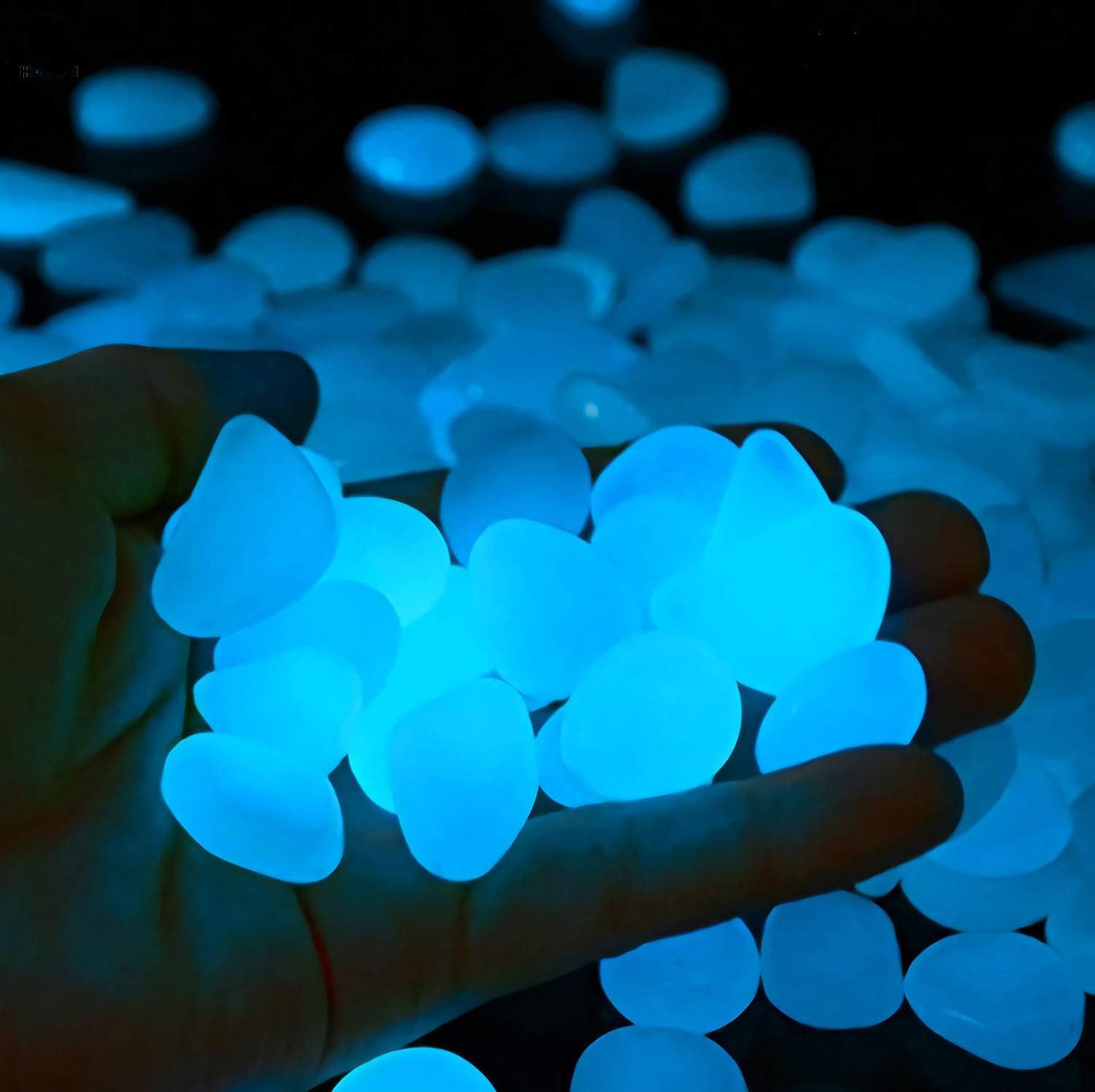
In a literary sense, Romanticism is a study in appreciation. Nature gets the brunt of our adoration, and if you stare at the smallest pebble you’ll discover countless wonders. People who consider themselves logical think it’s a waste of time to do something so ‘frivolous’, let alone put it to ink and paper. There’s no money in reflection. But if a pebble made you happy, how much money would you need? Of course we can’t pay for groceries with pebbles, so there’s something to be said for devoting time to money-making pursuits. As ethereal as a study of nature makes us feel, our stomachs will loudly disagree. As humans, we know more than the animals but less than the angels. We aspire to a higher self while our physical bodies make intrusive demands for maintenance. What Romance offers is a reprieve from our baser needs. When we feed on the artistry of our surroundings, we leave our lower self behind and commune with the soul.
Unfortunately, estrogen and testosterone can give us a similar high. But it hits a thousand times harder and affords an opportunity we don’t get from nature—the object of our adoration can talk. We can actually commune with another soul, one that gets the same high from us that we get from them. What is more enthralling than eye contact? A hint of ‘yeah I felt it too’? You can hardly stay in your skin! Until they call you ‘bro’. Or you discover that Jordan cannot in fact see you through the TV. And if you get in a relationship when the hormones are at high tide, you’re likely to hear ‘They don’t do it for me anymore’ once the cursed hormones settle down. We ask where the thrill has gone. Where’s the fun? Where’s the excitement?
Where’s the pebble?
The concept of Romance doesn’t eschew the mundane or involve another person. It takes a moment (or afternoon) to tease out the glorious from what we perceive as mundane. It’s honing the art of appreciation. When you realize how miraculous it is that anyone is willing to take time away from themselves to spend it with you, that relationship will inevitably become a treasure. It’s also why, to everyone’s bafflement, the hugs-and-kisses kind of love can so often become the least Romantic.
 JOYE JOHNSON - Politely Refusing the Kool-Aid